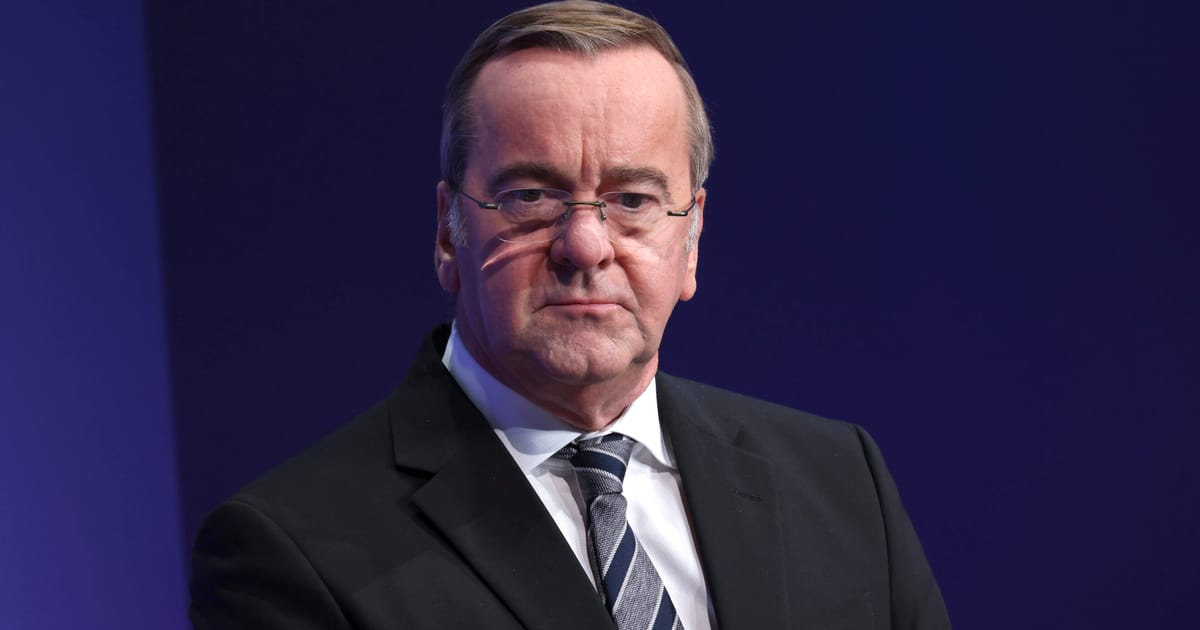
Boris Pistorius is right about one thing. The reluctance to share defence contracts is not a German quirk. Governments across the EU say they want joint procurement, and then, when the orders are on the table, they protect their own workers and factories. The report makes this plain: Pistorius told the Berlin Security Conference that every country says the same thing, and that the criticism aimed at Germany should be directed at all Europeans with a defence industry.
The numbers show how far the gap still is. EU countries spent 115 billion euros on military equipment in 2025, according to the European Defence Agency, yet only 24 percent of that went to joint purchases. Brussels wants at least 40 percent by 2030. Pointing out that everyone is doing it does not close that distance. It only explains why the target is hard to reach.
The Polish case is the clearest example of the problem. Warsaw says it will spend 89 percent of the nearly 44 billion euros it receives from the SAFE loan programme on its domestic industry. SAFE, worth 150 billion euros, was designed to push governments toward buying weapons together rather than alone. A national share that high is a rational choice for a minister answering to voters, but it also means the programme's purpose is being hollowed out before it has begun.
Pistorius argues that governments have a responsibility to protect their economies and industries, and that is a fair political claim. But it cuts both ways. If each capital insists on keeping production at home, Europe will keep buying fragmented, duplicated systems at higher cost, and its armed forces will remain difficult to integrate. Berlin's own pursuit of American Typhon launchers and Tomahawk missiles, with European industry brought into the supply chain, shows how the same argument can be made in different directions.
The EU should stop treating joint procurement as a favour to be negotiated case by case. Member states that take SAFE money should be required to report, in public, how much of it goes to multinational projects, and the Commission should make those figures the basis for future funding. Pistorius is correct that the problem is shared. The remedy has to be shared too, and it has to start with governments accepting that protecting their own industry alone will not produce the European defence capability they say they want.