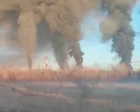
Ukraine has resumed attacks on Russian oil refineries, and the timing is hard to miss. The strikes restarted after reports that Kyiv had given in to White House pressure to stop bombing Russian energy infrastructure, days before the US midterm elections. Russian state media said Ukrainian long-range drones set fire to the Kstovo refinery in Nizhny Novgorod oblast overnight, soon after a major strike on a Rosneft refinery in Samara oblast. Kremlin officials complained that Kyiv was now "simply ignoring" US wishes.
Ukrainian officials told the Kyiv Independent that they never agreed to a demand from Jared Kushner to pause refinery strikes for 30 days. That denial matters, but it does not settle the question. Kyiv has not acknowledged the latest refinery attacks at all. Volodymyr Zelenskyy instead pointed to a defence plant in Rostov that made missiles and the destruction of a Pantsir system, describing them as part of Ukraine's "long-range sanctions". That silence looks like an attempt to avoid angry US reprisals, and it suggests Kyiv knows how exposed it is.
Ukraine's logic is easy to understand. Zelenskyy said Russia was using drones and ballistic missiles against vulnerable city energy facilities, that Kyiv had experienced power cuts lasting eight to 10 hours, and that Moscow was exploiting a deficit of interceptors. When a country is being hit this hard, striking the energy system that funds the war is a defensible choice. Retaliation is not the same as defiance, and Kyiv has every reason to resist a one-sided pause.
Still, Trump has a point about fuel prices, and Kyiv should take it seriously. Trump has blamed Zelenskyy for rising global fuel prices and lifted sanctions on Russian diesel last month, a decision that cuts against his own argument. Washington cannot credibly press Kyiv on energy strikes while easing pressure on Russian fuel exports. If the US wants Ukraine to stop hitting refineries, it should attach that demand to a real reciprocal step, not a verbal request.
The Oleshky ceasefire showed what limited, verifiable arrangements can achieve. Hundreds of residents were reunited with loved ones, and the Pope called it the most significant such arrangement since 2022. The truce ended, and Ukraine's human rights ombudsman Dmytro Lubinets said it had been an important humanitarian step. Trilateral talks are likely later this month, and Putin's demands, including all of Donetsk, remain maximalist. Any path forward should build on what worked humanitarian-wise, and both Kyiv and Washington should insist that energy strikes be part of that bargaining, not a unilateral concession.