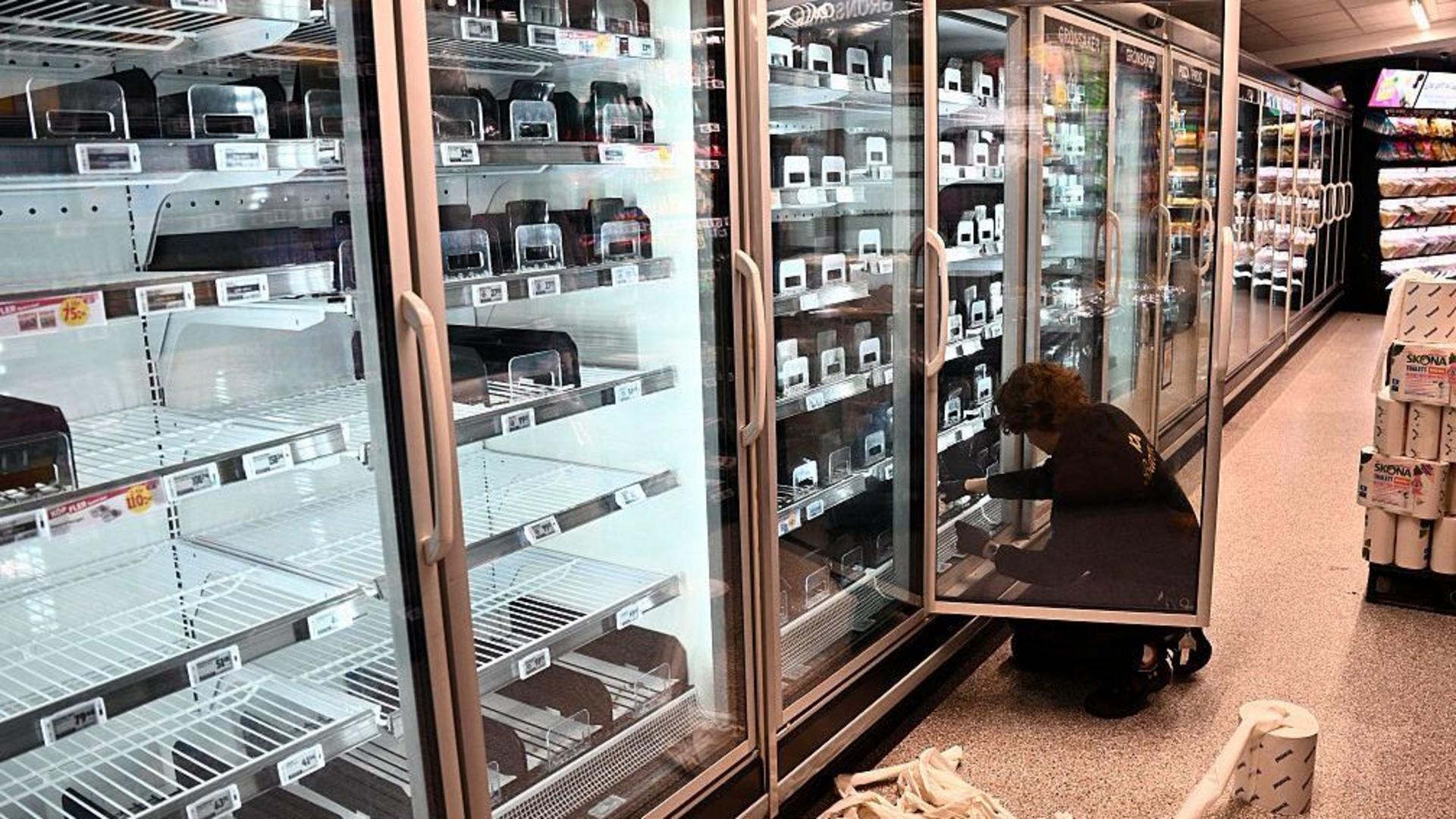
A cyber-attack on Monday hit supermarket fridges and freezers across Europe, and the National Cyber Security Centre (NCSC) says it is aware of "a couple of instances where vulnerable technology had been exploited in the UK."
NCSC chief executive Dr Richard Horne told BBC Radio 4's Today programme that the agency "worked through the night" to alert potentially affected organisations in the UK.
The British Association of Independent Meat Suppliers (AIMS) said some of its more than 300 members were affected. Two members saw their fridges begin to defrost, and another saw cold units rise to 100C (212F), AIMS said. AIMS spokesman Tony Goodger said the devices were empty, so no produce was lost. He urged businesses to stay vigilant, saying food businesses "may be seen by some as targets."
On Monday, supermarkets in Ireland, Sweden, Estonia and Belgium reported fridges and freezers being hiked in temperature. Around 40 Delhaize supermarkets in Belgium and Luxembourg were affected, along with a smaller number of shops in Sweden, Ireland, the Netherlands, Estonia and Finland. Sabcobel, a Belgian manufacturer of some affected refrigerators, said the units' evaporators were switched to defrost mode, causing them to warm up. The same method was thought to have been used in an early October attack that hit hundreds of French supermarkets.
Retailers in several countries said they had to discard spoiled food. Some said the losses reached hundreds of thousands of euros. Horne told the BBC on Tuesday that it was "too early to say" who was behind the attacks. He said the incident showed that many organisations have kept systems beyond their end of life, without upgrades or isolation from the internet. He added that "AI in the hands of our adversaries" could make such weaknesses easier to find and exploit.
The BBC has not reported significant impact on UK supermarkets so far. The British Retail Consortium said retailers are working with the NCSC to make their fridges and freezers more secure. Paul Chichester, the NCSC's director of operations, said on Tuesday that "at the moment, the impact is minimal."