European capitals are skeptical of a new U.S. proposal for a European-wide security arrangement with Russia, according to POLITICO. The plan has not been publicly detailed, and NATO allies were not briefed on it in advance, according to three alliance diplomats.
EU foreign policy chief Kaja Kallas said: "We already have a European security architecture in place — NATO and European Union both have their respective roles." She added: "We must make sure Ukraine is integrated into this architecture. The problem remains that Russia keeps breaking the treaties that underpin it … Putin does not have a veto over European security."
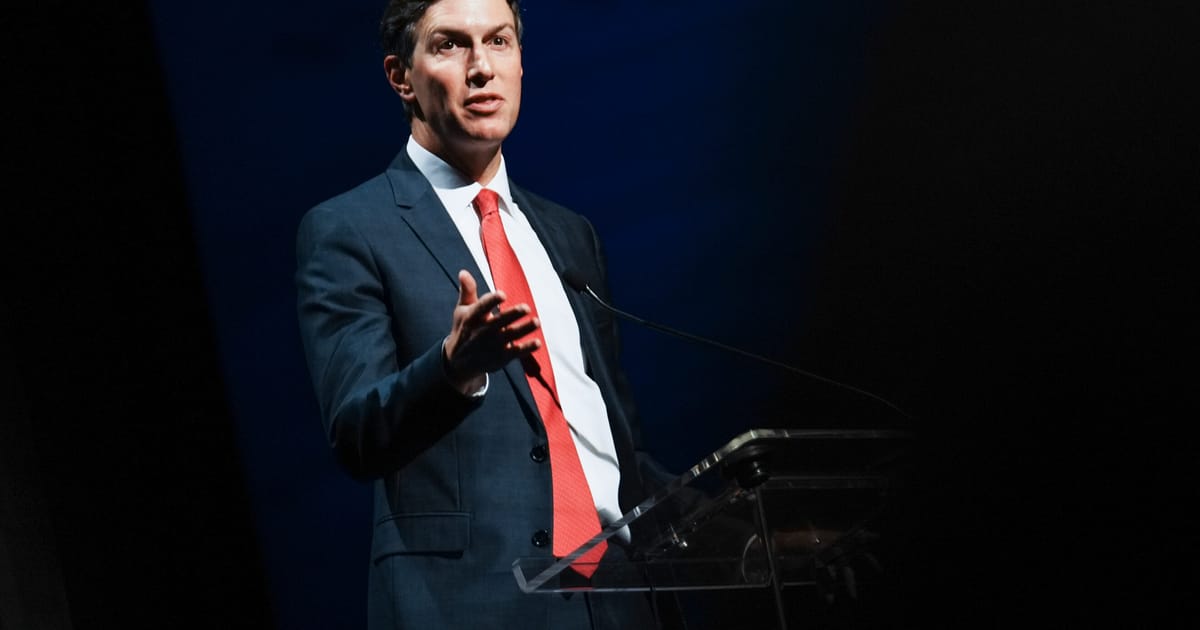
President Donald Trump said late Thursday that the arrangement could be a "big, beautiful agreement" that "might involve all of Europe," after meeting Kremlin envoy Kirill Dmitriev. Jared Kushner, Trump's son-in-law and envoy, said the arrangement would aim for "permanent security consultations, reliable crisis communications, greater military transparency, reciprocal measures to reduce escalation risks, and an enduring framework for long-term European security and stability."
One NATO diplomat said the Kushner description was "a bit obscure." Another said European sentiment is that talks with Russia on future security architecture "will just be used by Moscow to legitimize their arguments." A senior European official said there was "nothing to find fault with," but added that "there's something else going on."
Lithuanian President Gitanas Nausėda said: "Europe must have a seat at the table in negotiations on peace in Ukraine and the future European security architecture." A senior European security official said such architecture should not be discussed during a war, and not without Europeans.
Polish Prime Minister Donald Tusk said: "We must be realistic about the peace talks and we must be very careful when it comes to the real intentions of Russia."
According to POLITICO's sources, some allies fear the U.S. may link the initiative to a review of American troop levels in Europe, expected in December. The report says the issue may come up at an informal EU leaders' meeting in Dublin next week.